

The Idle Hour
Living in The Artist's Colony

One the eve of destruction by God-Knows-what calamity awaiting us, I want to step back from the brink and give thanks and count my blessings.
The place where I currently live was originally built by the Vanderbilts to house their servants and staff.
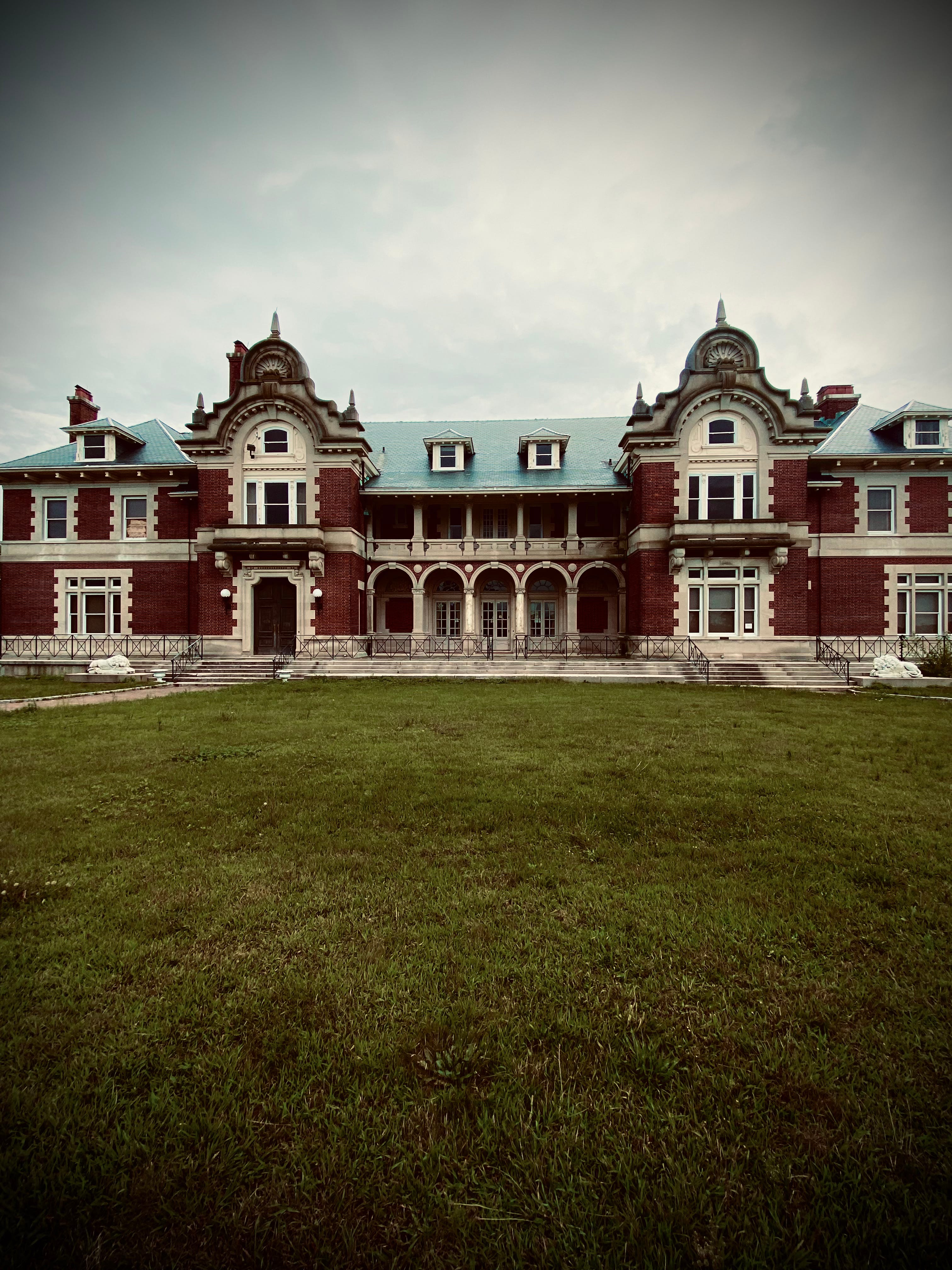
Built in 1899, William K. Vanderbilt's Gilded Age estate, the 70,000 square foot “Idle Hour” is a stunning red brick and gray stone in the English Country Style, with exquisite furnishings. The building was designed by Richard Howland Hunt, and at the time was among the finest homes in America. It remains the 15th largest private home in the US. The estate included nearly all of Oakdale, Long Island, 300 buildings, a herd of steer and a steamer to ferry guests up and down the Connetquot River alongside the mansion. Around 1902, an addition was made to Idle Hour by the prominent architectural firm Warren & Wetmore. The king’s castle needed a neighboring village to house the staff who maintained the property. There is a medieval vibe to this Long Island anomaly.
After Vanderbilt's death in 1920, the mansion went through several phases and visitors, including a brief stay during the 1920’s by gangster Dutch Schultz. Around that time, cow stalls, pig pens and corn cribs on the farm portion of Idle Hour were converted into a bohemian artists' colony, known as the Royal Fraternity of Master Metaphysicians, that included figures such as George Elmer Browne and Roman (Bon) Bonet-Sintas as well as sculptor Catherine Lawson, costume designer Olga Meervold, pianist Claude Govier, Francis Gow-Smith, and his wife Carol. This quaint little residential community was once a sixteen acre farm complex.
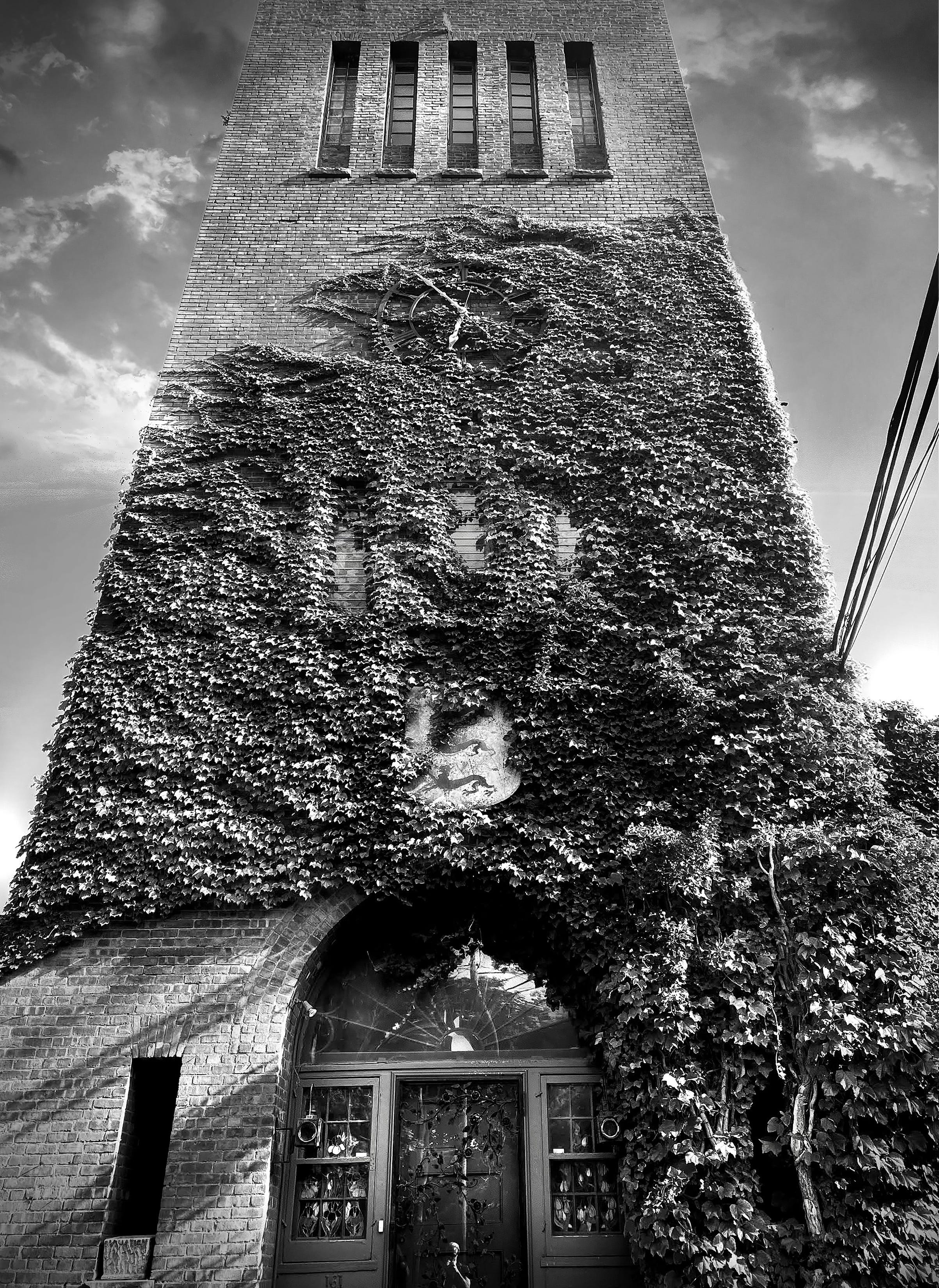
An ominous and improbable medieval Clock Tower looms over the suburban town creating a somewhat unsettling, surreal dynamic contrast. It was once the water tower for the estate. The tower's clock, while the Vanderbilt's owned it, was wound everyday by a jeweler who lived in a neighboring town.
The outbuildings included a stock barn, which housed a herd of fifty Alderney cows and bulls. There was a creamery, poultry barns, piggaries, a duckhouse, dog kennels, an eagle house, a forge and a house for the farm superintendent. There was also a barn where the farm horses were kept. A pig wallow, which are next to the piggeries, has been restored. However, none of these looked anything like your typical farm. Each of these outbuildings looked like residences and were set up as row houses, making them look like one long house. They are each occupied by residents today.
The Vanderbilt's left the estate in 1926 and the farm area was bought up by artist Lucy Sawyer Pritchard Thompson who turned the farm area into residences and invited several of her colleagues to live and work out in Oakdale. And so the Artist's Colony was born.
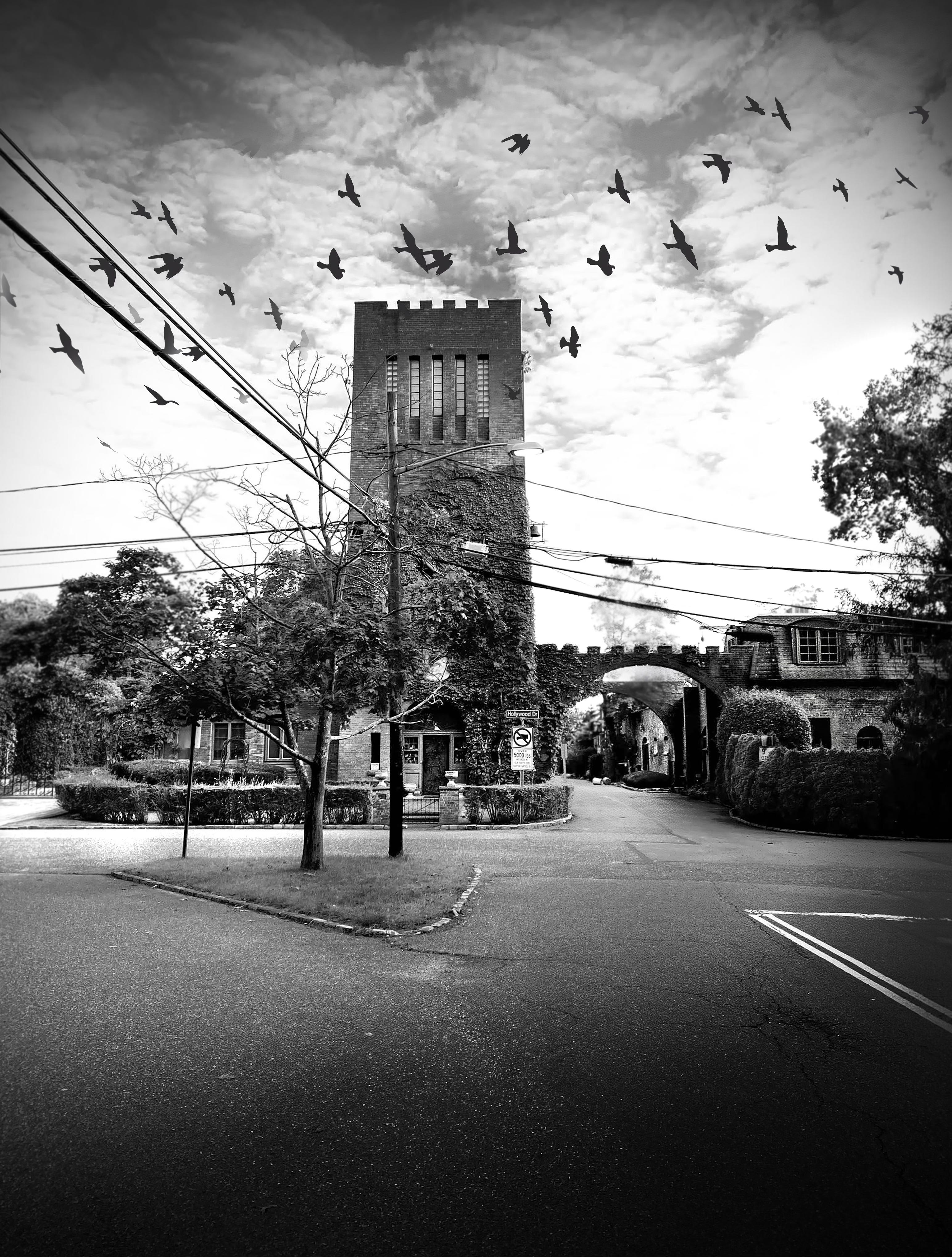
Exhibitions were popular as were theatre group presentations. A restaurant called the Tally Ho Inn was a well known stopping off point for residents and the public alike. I now live with the ghosts who haunt this charming spot that seems out of time and place with the whole of American suburbia. There is nothing I can compare it to. So far as I know, I am the only artist who currently still lives in the Artist’s Colony with my partner, my son and our sweet Pitbull Misty. We live a block away from the marshland that lead to the Great South Bay and thousands of Starlings are gathering this time of year to organize their migration. The murmurings are mesmerizing.
How blessed am I to live surrounded with such beauty, charm and history?
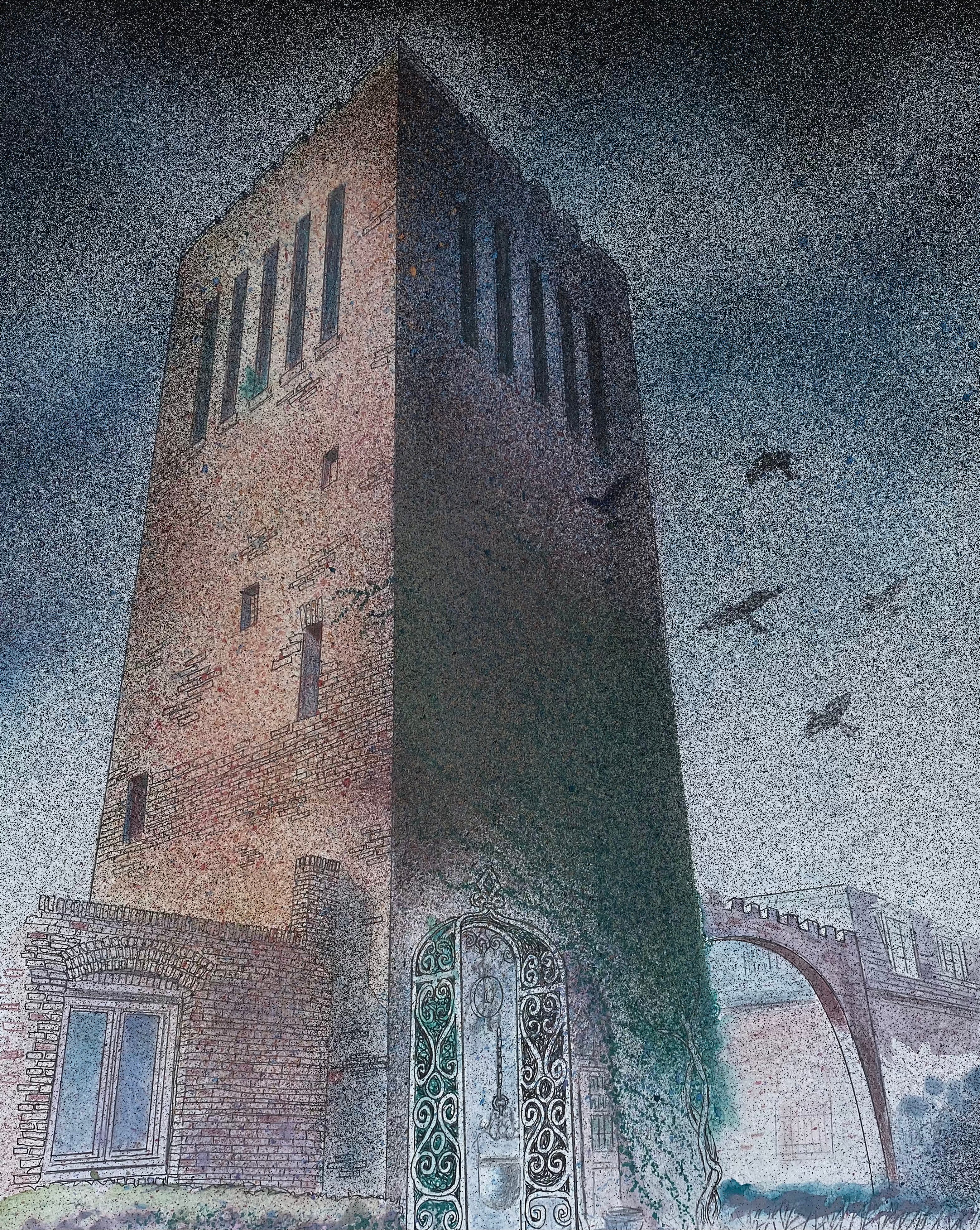
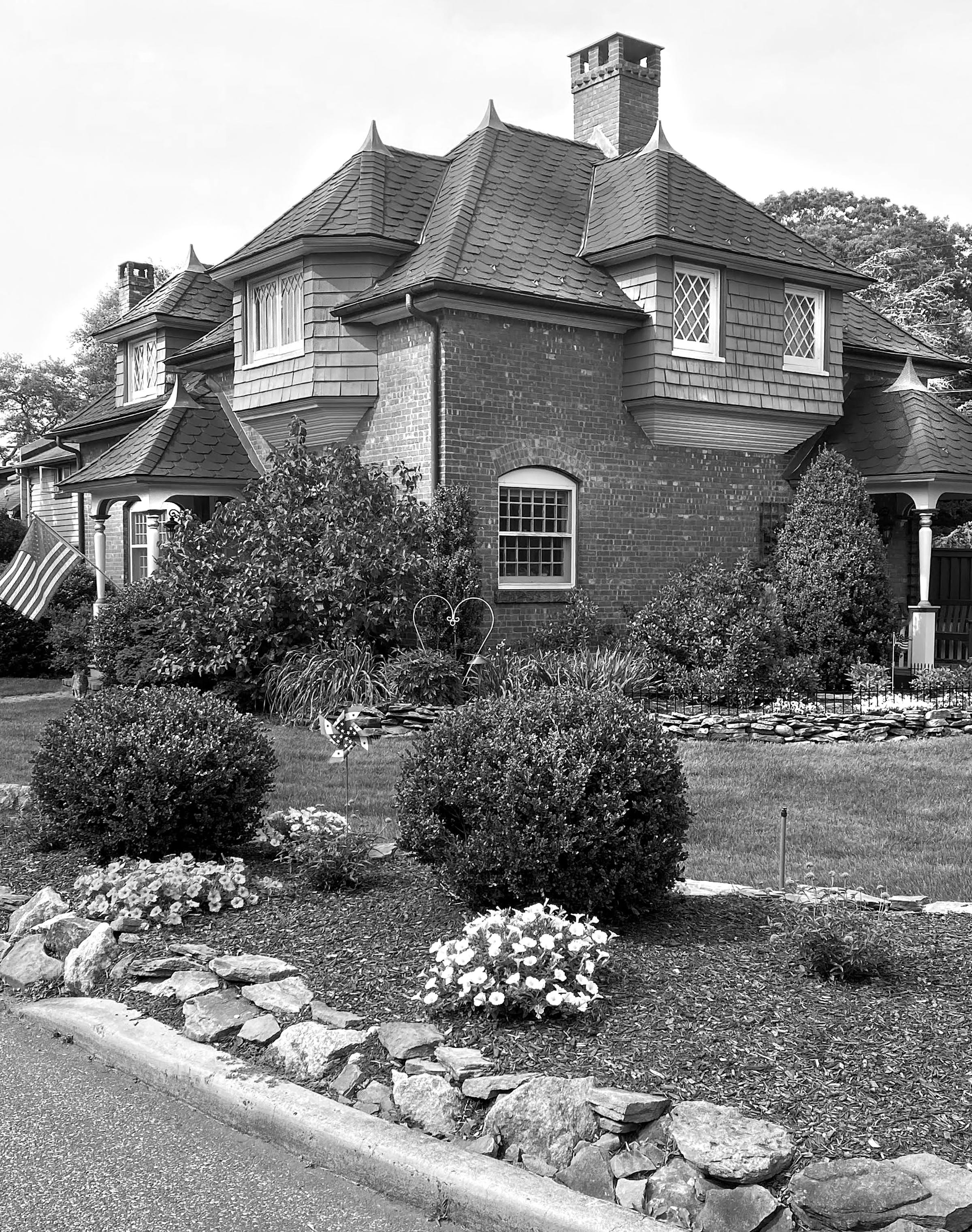
Drawing and photographs by Anthony Freda.
Because missing the big picture is something we're really good at … thanks for zooming out for us!
They don't build 'em like they used to!
Just one question: with regards to Schafer and his RFMM cult's attempt to raise the “immortal baby” Baby Jean, I wonder if Baby Jean is still alive? As of 2002, Jean Gauntt (Baby Jean) was married with children. That's as much as I've been able to ascertain.
“How blessed am I to live surrounded with such beauty, charm and history?” — So much more than we only ever rarely acknowledge … in moments such as this. Cool!
Anthony—
Thank you, my friend, for sharing a bit of the history and your experience now directly in midst of it — and for which I'll quote G.K. Chesterton to paraphrase:
"Gratitude is happiness doubled by wonder."
Wishing you continued success in your good (and more important now than ever) artistic endeavors.
Peace